For many property owners, the moment termites are treated feels like the end of the problem.
The damaged timber has been identified, the active termites have been targeted, and the immediate concern appears to be under control. It’s understandable to assume that once the colony is eliminated, the property is safe again.
In reality, termite control rarely ends when treatment is completed.
Experienced pest professionals know that successful Termite Control Melbourne is not defined by how quickly termites are eliminated, but by how effectively the property is protected against future activity. The treatment itself is only one part of a much larger process that involves understanding the property’s environment, monitoring changing conditions, and reducing the factors that continue to attract termites over time.
At Recon Pest Control, one of the most common conversations with homeowners begins after a termite treatment has already taken place. The immediate infestation may have been addressed, but questions remain about how to prevent termites from returning. Those questions are important because termite colonies don’t simply disappear from the surrounding environment. If favourable conditions continue to exist, another colony may eventually discover the same property.
This is why long-term termite control focuses on protecting the structure, not just removing the immediate threat.
Why Termite Control Doesn’t End With Treatment
Unlike many other household pests, termites are part of a much larger ecosystem. Eliminating one active colony inside a property does not remove termite populations from the surrounding area.
Across Melbourne, subterranean termites remain active in parks, gardens, bushland, neighbouring properties, and underground soil systems. They continue searching for new food sources, often travelling considerable distances through concealed tunnels without ever becoming visible above ground.
This is one of the reasons Termite Control Melbourne requires a broader perspective than simply treating visible activity. While removing an active infestation is essential, long-term protection depends on making the property less accessible and less attractive to future colonies.
Recon Pest Control regularly explains to property owners that successful termite management is not measured only by today’s results. It is measured by how well the property continues to resist termite activity years after the initial treatment.
Understanding What Happens After a Colony Is Eliminated
Many homeowners assume that once termites have been eliminated, the property immediately returns to normal.
The reality is more complex.
After treatment, the damaged areas remain part of the building. Environmental conditions around the property continue to change. Moisture levels fluctuate with the seasons, landscaping matures, and structural materials continue to age. None of these changes stop simply because the original colony has been removed.
At the same time, termite activity continues elsewhere in the environment. New colonies develop naturally and continue searching for suitable food sources.
This is why effective Termite Control Melbourne focuses on what happens after treatment just as much as what happens during it. Long-term protection depends on recognising that the surrounding risk still exists, even when active termites are no longer present inside the property.
Why Every Property Requires a Different Approach
No two termite situations are exactly alike.
A weatherboard home built several decades ago presents different challenges from a modern brick veneer property. Homes constructed on sloping blocks may experience different drainage conditions than those on level sites. Landscaping, surrounding vegetation, building design, and previous renovations all influence how termites interact with a structure.
Because of these differences, termite control cannot rely on a single solution that works equally well for every property.
During Termite Control Melbourne projects, Recon Pest Control evaluates how each property functions as a complete environment. The objective is not only to understand where termite activity occurred, but also why that particular property became vulnerable in the first place.
This broader understanding allows long-term protection strategies to be tailored to the property’s unique characteristics rather than relying on assumptions.
Chemical Barriers and Why They Matter
One of the most widely recognised approaches to termite management involves creating a treated zone around or beneath a structure.
Rather than attracting termites, these barriers are designed to protect vulnerable areas by intercepting termite movement before the insects gain access to the building. When installed correctly and maintained appropriately, they can provide an important layer of protection for many properties.
However, it is important to understand that a chemical barrier is not a permanent guarantee.
Over time, soil movement, landscaping changes, excavation work, plumbing repairs, and natural environmental conditions can affect the integrity of treated areas. This is why ongoing assessment remains an important part of long-term termite management.
Recon Pest Control often reminds property owners that Termite Control Melbourne is most effective when protective systems are monitored rather than assumed to remain unchanged indefinitely.
Understanding Baiting Systems
While chemical barriers focus on protecting structures, baiting systems take a different approach.
Bait stations are designed to intercept foraging termites before they reach the building. When termites discover the bait, they carry it back through the colony, allowing its effects to spread gradually.
The objective is not immediate elimination of every visible termite but disruption of colony activity over time.
Like any management strategy, baiting systems require ongoing observation and maintenance. Stations need to be monitored regularly because termite activity changes throughout the year. Environmental conditions, colony movement, and seasonal behaviour all influence how effectively baiting systems perform.
For many properties, Termite Control Melbourne may involve baiting as part of a broader management strategy rather than relying on a single method alone.
Why Moisture Continues to Influence Termite Risk
One factor appears repeatedly during termite assessments across Melbourne.
Moisture.
While termites require timber as a food source, moisture creates the environmental conditions that allow colonies to thrive. Poor drainage, leaking plumbing, inadequate subfloor ventilation, overflowing gutters, and persistent dampness around foundations all contribute to increased termite suitability.
These conditions often develop gradually.
A minor plumbing leak may continue unnoticed beneath a bathroom floor. Soil may remain consistently damp because of changes to landscaping or irrigation. Ventilation beneath the home may become restricted as surrounding vegetation grows.
During Termite Control Melbourne assessments, Recon Pest Control frequently identifies moisture-related issues that have little to do with the termites themselves but have a significant impact on long-term risk.
Reducing these conditions often plays an important role in protecting the property well beyond the initial treatment.
Why Timber Contact With Soil Increases Risk
Another common factor influencing termite activity is direct contact between timber and soil.
Fence posts, garden sleepers, timber decking supports, landscaping features, stored firewood, and untreated structural elements can all provide termites with concealed access to food sources.
Because subterranean termites naturally travel through soil, timber that remains in direct contact creates a convenient bridge between underground colonies and the building itself.
Many property owners focus their attention on the house while overlooking surrounding timber structures that may support termite movement.
During Termite Control Melbourne inspections, Recon Pest Control regularly identifies landscaping features and external timber elements that contribute to increased termite pressure around the property. Addressing these factors often forms an important part of long-term risk reduction.
Why Ongoing Monitoring Is Essential
Perhaps the greatest misconception surrounding termite management is that protection can simply be installed and forgotten.
Properties continue to change.
Tree roots alter soil conditions. Building materials weather naturally. Renovations introduce new structural features. Gardens mature. Drainage patterns shift after heavy rainfall or landscaping work.
Each of these changes can influence how termites interact with the property.
For this reason, effective Termite Control Melbourne relies on ongoing monitoring rather than assuming previous protection remains unchanged forever. Regular assessments provide an opportunity to identify environmental changes, evaluate existing protection systems, and recognise emerging risks before significant termite activity develops.
At Recon Pest Control, long-term protection is viewed as an ongoing process rather than a single event. Monitoring allows small changes to be identified early, helping property owners maintain confidence that their investment remains protected over time.
Why Environmental Changes Matter After Treatment
One of the biggest misconceptions about termite control is that once treatment has been completed, the property’s level of risk remains unchanged. In reality, the environment surrounding a building is constantly evolving. Seasonal rainfall, landscaping projects, renovations, and even natural soil movement can influence how termites interact with a structure over time.
A garden bed added against an external wall, a leaking irrigation system, or tree roots altering drainage patterns may seem unrelated to termites. However, each of these changes can increase moisture levels or create new pathways that make the property more attractive to future termite activity.
During Termite Control Melbourne assessments, Recon Pest Control frequently finds that environmental changes made years after an initial treatment have altered the property’s risk profile. While the original treatment may still have performed effectively, new conditions can gradually create opportunities that did not previously exist.
Understanding how these environmental changes influence termite behaviour allows property owners to make informed maintenance decisions that support long-term protection rather than relying solely on previous treatments.
Why One Treatment Method Doesn’t Suit Every Property
Property owners often ask which termite treatment is the best. The more accurate question is which approach is most appropriate for the property itself.
Every building presents a different combination of construction methods, soil conditions, moisture levels, landscaping, and previous termite history. These factors influence how termites are likely to approach the structure and which management strategy will provide the most effective long-term outcome.
Some properties benefit from protective barriers, while others may be better suited to baiting systems or a combination of different approaches. The objective is not to apply the same solution everywhere but to select a strategy that reflects the property’s specific level of risk.
This is why Termite Control Melbourne should always begin with understanding the environment rather than assuming every property requires identical treatment. Recon Pest Control approaches each project individually because effective termite management depends on matching the solution to the conditions that exist around the building.
The Costliest Damage Is Often the Damage Nobody Sees
One of the reasons termites are so destructive is that they rarely advertise their presence.
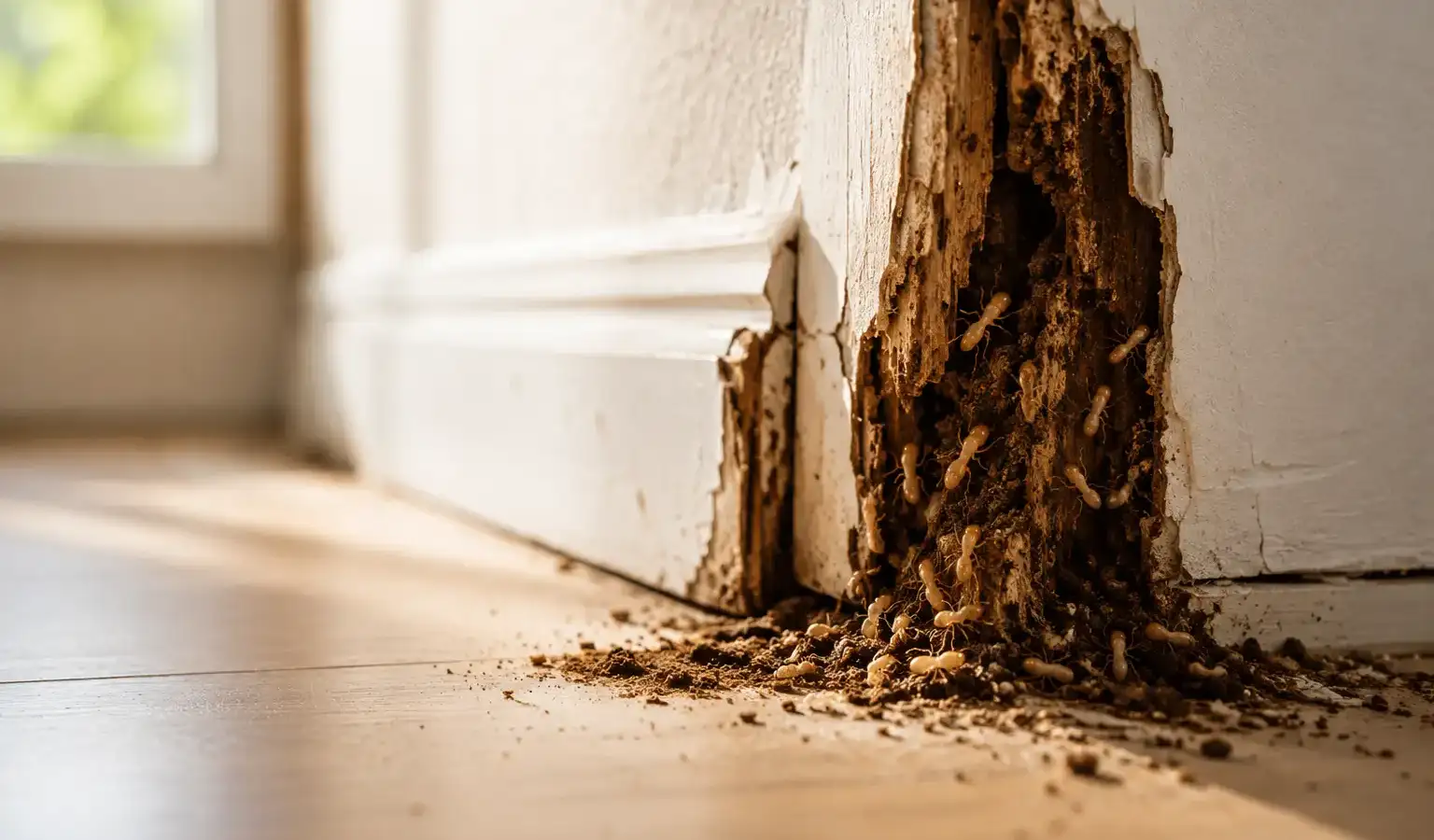
Unlike many household pests that become obvious as populations grow, termites continue working inside timber, wall cavities, and structural components while external surfaces remain largely unchanged. A skirting board may still appear perfectly sound, a door frame may continue functioning normally, and flooring may show no visible signs of deterioration, even though internal damage is progressing.
This hidden nature is what makes termite activity particularly difficult for property owners to recognise without professional assessment. By the time timber begins to sound hollow, paint starts to blister, or structural movement becomes noticeable, termites may have already been active for a considerable period.
Recon Pest Control regularly encounters situations where homeowners were unaware of termite activity until unrelated maintenance work exposed the damage. Effective Termite Control Melbourne therefore focuses not only on eliminating active termites but also on reducing the likelihood of hidden activity developing again in the future.
Why Ongoing Maintenance Supports Long-Term Protection
Termite management does not rely entirely on professional treatments. Property maintenance also plays an important role in reducing long-term risk.
Simple measures such as maintaining adequate drainage, repairing leaking plumbing, ensuring subfloor ventilation remains unobstructed, and preventing timber from remaining in direct contact with soil can significantly improve the environment surrounding a building. Regular maintenance also makes it easier to identify changes that could increase termite pressure before they become serious concerns.
These actions do not replace professional termite management, nor do they guarantee that termites will never approach a property. Instead, they reduce the number of favourable conditions available to foraging colonies.
During Termite Control Melbourne consultations, Recon Pest Control often explains that successful termite management is strongest when professional protection is supported by sensible property maintenance. Together, these measures create a more resilient environment over the long term.
What Recon Pest Control Commonly Observes
Across Melbourne, termite activity is influenced by remarkably consistent patterns. Moisture remains one of the most significant contributing factors, while structural access points, ageing building materials, and landscaping changes frequently increase vulnerability over time.
Recon Pest Control also finds that many homeowners focus understandably on the location where termites were discovered, even though the conditions supporting the infestation often extend well beyond that single area. A leaking pipe beneath one section of the home, poor drainage along an external wall, or timber landscaping elements close to the structure may all contribute to the broader level of termite pressure.
These observations reinforce an important principle of Termite Control Melbourne: effective protection depends on understanding why termites were attracted to the property in the first place, not simply where they happened to be found.
By addressing those contributing factors alongside professional treatment, property owners place themselves in a much stronger position to reduce future risk.
Why Long-Term Protection Is an Ongoing Process
Many aspects of property ownership require regular attention. Roofs need maintenance, plumbing systems require repairs, gardens continue to grow, and drainage systems occasionally need improvement.
Termite management is no different.
The surrounding environment changes continuously, and every change has the potential to influence termite behaviour. Because of this, long-term protection should be viewed as an ongoing process rather than a single event completed years earlier.
A professional Termite Control Melbourne strategy considers how the property is likely to change over time. Instead of focusing only on today’s termite activity, it evaluates how future environmental conditions may influence the building and what steps can help reduce those risks.
Recon Pest Control encourages property owners to think of termite management in the same way they approach other forms of property maintenance. Regular attention helps identify small issues before they become expensive structural problems.
Protecting the Property Is the Real Objective
When people think about termite control, they often focus on eliminating termites.
Experienced pest professionals tend to think differently.
The real objective is protecting the property.
Eliminating an active colony is an important milestone, but it is only one stage in a much broader process that includes environmental awareness, appropriate treatment strategies, ongoing monitoring, and sensible property maintenance. Together, these elements create a long-term approach that reduces the likelihood of future infestations while helping preserve the structural integrity of the building.
This broader perspective is what defines effective Termite Control Melbourne. Rather than viewing termite activity as an isolated event, it recognises that every property exists within an environment that continues to change. Understanding those changes allows homeowners and businesses to make informed decisions that support lasting protection.
At Recon Pest Control, every termite management strategy is built around this principle: successful termite control is measured not only by eliminating today’s colony, but by helping ensure the property remains protected well into the future.
Frequently Asked Questions About Termite Control Melbourne
A termite inspection identifies evidence of termite activity, environmental risk factors, and structural vulnerabilities. Termite Control Melbourne focuses on managing active infestations and implementing strategies that help protect the property from future termite activity.
Yes. Eliminating one colony does not remove termite populations from the surrounding environment. This is why ongoing monitoring and property maintenance remain important after treatment.
The duration depends on factors such as the treatment method used, soil conditions, environmental changes, and ongoing property maintenance. Regular professional assessments help ensure protection remains effective.
Termites thrive in environments where moisture is consistently available. Poor drainage, leaking plumbing, and damp soil conditions can all increase the likelihood of termite activity around a property.
No. While they provide effective protection when properly installed, environmental changes, landscaping work, soil movement, and plumbing repairs can affect their long-term performance.
No. Every property has different construction methods, environmental conditions, and levels of termite risk. The most suitable management approach depends on those individual characteristics.
Yes. Garden beds against external walls, timber sleepers, excessive mulch, poor drainage, and irrigation systems can all influence moisture levels and termite activity if not managed appropriately.
Properties continue to change over time. Regular monitoring helps identify environmental changes, assess existing protection systems, and detect early signs of termite activity before significant damage occurs.
Removing damaged timber may eliminate visible evidence of termite activity, but it does not address the surrounding environmental conditions or prevent new colonies from approaching the property.
Why choose Recon Pest Control for Termite Control Melbourne?
Recon Pest Control combines practical field experience with a long-term approach to termite management. By understanding the relationship between termite behaviour, environmental conditions, and property design, we help homeowners and businesses protect their properties well beyond the initial treatment.