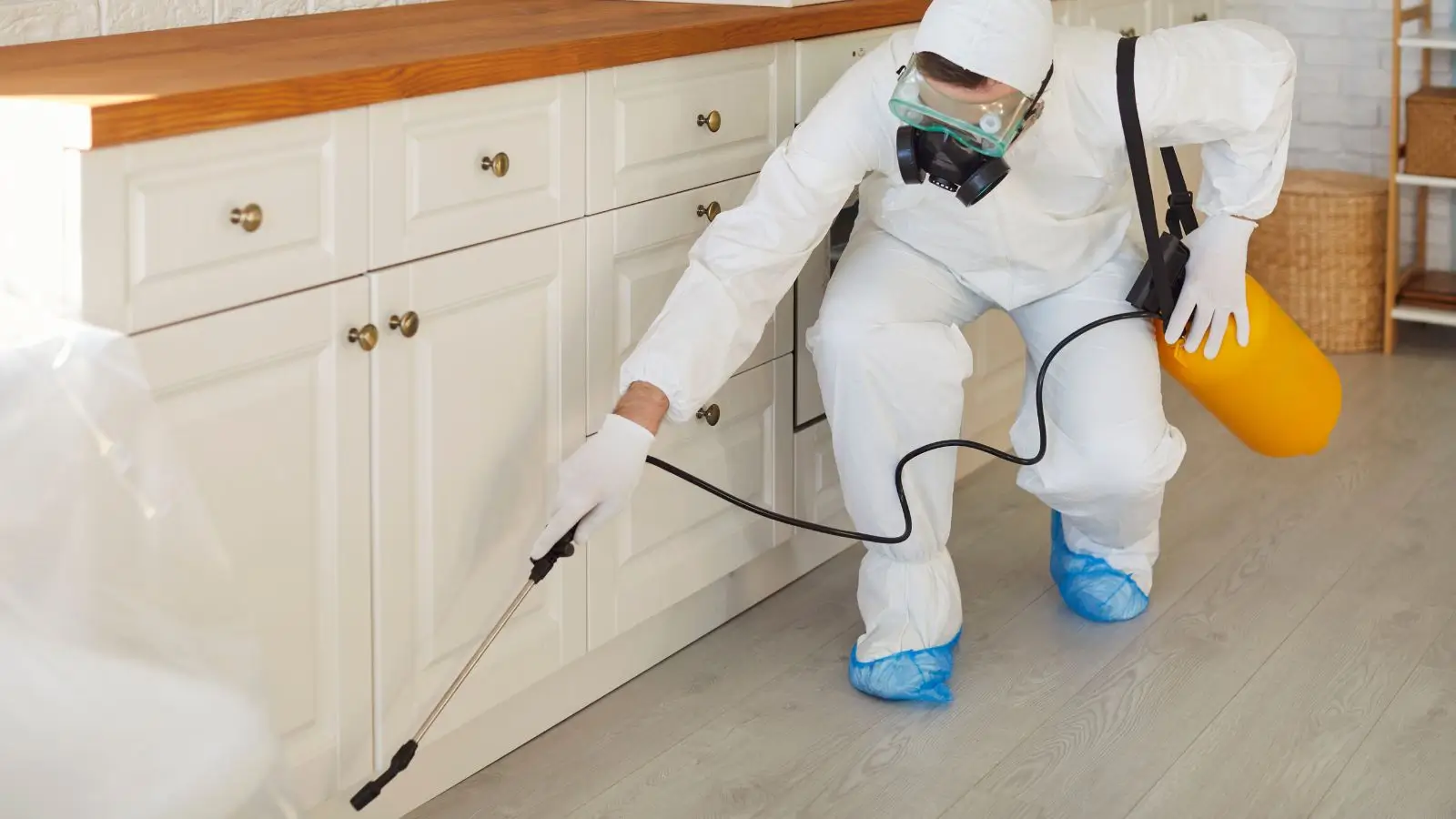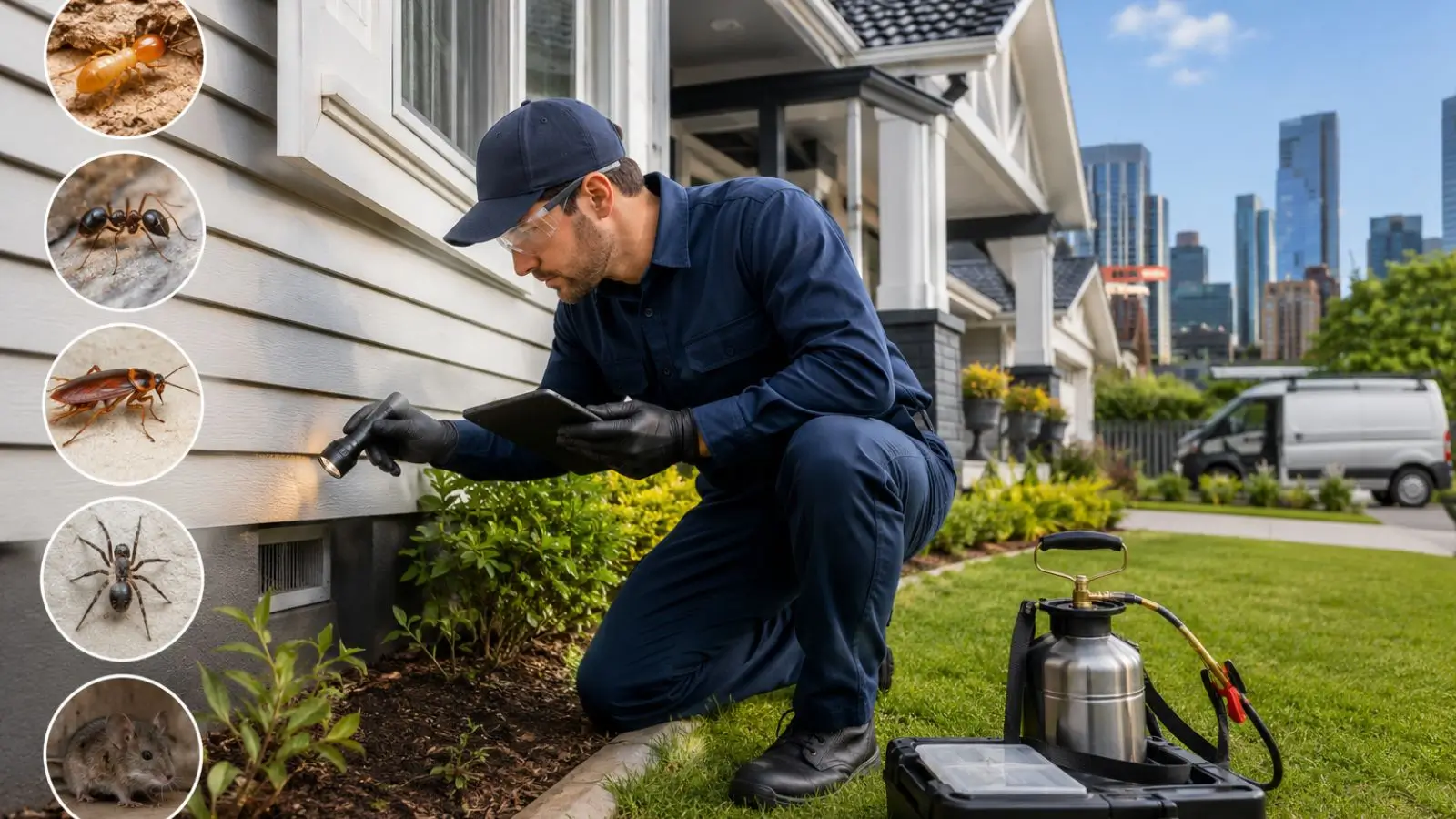
Most people think pest problems begin when a pest enters a property.
In reality, they usually begin much earlier.
Long before a cockroach appears in a kitchen, a rodent is heard in a roof, or termites are discovered in timber, a series of environmental conditions have already been developing around the property. Moisture accumulates in one area. Vegetation becomes denser in another. Small structural gaps appear over time. Food sources become accessible. Together, these factors create an environment that supports pest activity.
This is why effective Pest Management Melbourne is not simply about removing pests after they arrive. It is about understanding the ecosystem that surrounds a property and recognising how that ecosystem influences pest behaviour.
At Recon Pest Control, one of the most consistent observations across Melbourne homes and businesses is that pest activity rarely occurs in isolation. Different pests respond to different triggers, but many of those triggers originate from the same environmental conditions.
The property itself often tells the story long before the pests do.
Every Property Has Its Own Pest Ecosystem
No two properties experience pest pressure in exactly the same way.
Two homes can sit on the same street, built in the same year, and maintained to a similar standard, yet one experiences ongoing pest issues while the other remains relatively unaffected.
The reason often comes down to environmental differences that are not immediately obvious.
A property with poor drainage may support termite activity. A property with dense vegetation touching the roofline may attract possums and rodents. A property with shaded, damp areas may encourage ants, cockroaches, and other insects.
When conducting Pest Management Melbourne inspections, Recon Pest Control often finds that the pests themselves are only one part of the picture. The broader environment around the structure usually explains why those pests are present in the first place.
This broader environment is what can be described as the property’s pest ecosystem.
Understanding that ecosystem provides a far more reliable path to long-term pest management than simply reacting to individual infestations.
Moisture Creates Opportunity
If there is one environmental factor that influences more pest activity than any other, it is moisture.
Water supports life, and pests are no exception.
A leaking outdoor tap may seem insignificant, but it creates a reliable water source. Poor drainage around foundations can increase soil moisture levels and attract termites. Condensation beneath buildings can create favourable conditions for insects that prefer humid environments.
Many homeowners assume pests are primarily looking for food. While food is important, moisture is often the first requirement.
At Recon Pest Control, moisture-related conditions are identified repeatedly during Pest Management Melbourne assessments. In some cases, addressing a drainage issue has a greater impact on long-term pest pressure than any treatment itself.
This is particularly relevant in Melbourne, where seasonal rainfall patterns can create fluctuating moisture levels around properties.
Pests respond quickly to these changes.
Vegetation Creates Pathways
Trees, shrubs, mulch, and garden beds contribute significantly to how pests move around a property.
Vegetation provides shelter, protection, and in some cases direct access.
Overhanging branches allow rodents and possums to reach roofs more easily. Dense garden beds create harbourage zones where insects can remain hidden during daylight hours. Ground cover retains moisture, increasing suitability for a range of pests.
This does not mean vegetation is a problem. Well-maintained landscaping can coexist with effective Pest Management Melbourne strategies. The issue arises when vegetation creates uninterrupted pathways between natural habitats and structures.
One of the most common patterns observed by Recon Pest Control involves tree branches that have gradually extended toward rooflines over several years. Homeowners often do not notice the change because it occurs gradually.
Pests notice it immediately.
What appears to be a small landscaping issue can become a significant access route.
Human Behaviour Influences Pest Activity
One of the most overlooked aspects of pest management is human behaviour.
Not because people intentionally attract pests, but because everyday habits influence environmental conditions.
Pet food left outside overnight. Storage areas that remain undisturbed for long periods. Waste bins that are not sealed properly. Even outdoor entertaining spaces can contribute to increased pest activity if food residues accumulate consistently.
The important point is that pest activity rarely reflects a single mistake. It usually reflects a combination of conditions that develop gradually over time.
This is why Pest Management Melbourne involves understanding how people use their properties as much as understanding pest biology.
Recon Pest Control often identifies behavioural patterns that contribute to recurring pest activity, even in otherwise well-maintained properties.
Small adjustments frequently produce significant long-term benefits.
How Seasonal Changes Influence Pest Pressure
Pests do not behave the same way throughout the year.
Melbourne’s seasonal variations influence movement patterns, breeding cycles, and shelter requirements.
Spring often brings increased insect activity as temperatures rise. Summer accelerates breeding and food-seeking behaviour. Autumn encourages rodents and possums to seek stable shelter. Winter increases indoor movement as pests search for warmer environments.
This seasonal shift explains why some pest problems appear to emerge suddenly.
In reality, the activity may have been developing for months before becoming visible.
Effective Pest Management Melbourne takes these seasonal changes into account. Timing matters. Understanding when pest pressure is likely to increase allows preventative action to occur before problems become established.
At Recon Pest Control, seasonal trends are among the most reliable indicators of future activity.
The pests change, but the patterns remain remarkably consistent.
The Influence of Neighbouring Properties
One factor that property owners rarely consider is the influence of nearby environments.
Pests do not recognise property boundaries.
A neglected garden next door, unmanaged waste storage nearby, or construction activity in the surrounding area can all influence pest movement.
During Pest Management Melbourne inspections, Recon Pest Control regularly encounters situations where the source of pest pressure is not located within the affected property itself.
Rodents may travel between neighbouring sites. Termite activity can originate from surrounding environments. Insect populations often move according to broader environmental conditions rather than individual property lines.
This does not mean neighbouring properties can be controlled. It means awareness of the surrounding environment is important when assessing risk.
Understanding external influences helps explain why some pest issues persist despite repeated treatment.
Why Some Melbourne Properties Experience Constant Pest Activity
One of the most common questions property owners ask is why pest problems seem to affect their property repeatedly while neighbouring homes appear unaffected.
In many cases, the answer is not the pest itself. It is the consistency of the environmental conditions that support it.
A property that experiences recurring rodent activity may have accessible roof entry points combined with nearby vegetation. A property with ongoing ant issues may have persistent moisture conditions around foundations. A business dealing with repeated cockroach activity may unknowingly maintain hidden harbourage areas that remain undisturbed between treatments.
What makes this challenging is that these conditions often develop gradually.
A drainage issue becomes slightly worse each year. Vegetation grows closer to structures. Building materials age. Small structural gaps widen.
Individually, these changes appear insignificant. Together, they create an increasingly favourable environment.
At Recon Pest Control, many long-term Pest Management Melbourne projects begin with identifying these cumulative factors. The pests themselves are often the symptom. The environment is the cause.
This distinction is important because eliminating symptoms without addressing causes rarely produces lasting results.
Why Pest Management Is Different from Pest Control
The terms pest control and pest management are often used interchangeably, but they represent two very different approaches to dealing with pest activity.
Pest control is generally reactive. A pest is discovered, treatment is applied, and the immediate activity is reduced or eliminated. For isolated infestations or urgent situations, this approach can be effective because it focuses on solving the problem that is visible at that moment.
Pest management, however, takes a broader view. Instead of focusing solely on the pest itself, it examines the conditions that allowed the pest to become established in the first place. It asks important questions such as: Why did the pest appear? What environmental or structural factors supported the infestation? How likely is the problem to return? And what changes can be made to reduce future risk?
This shift in perspective changes the entire strategy. Rather than concentrating only on treatment, effective Pest Management Melbourne focuses on prevention, monitoring, environmental improvements, and long-term risk reduction. The goal is not simply to remove pests when they appear, but to make the property less attractive and less accessible to them over time.
At Recon Pest Control, this distinction becomes particularly important for homes and businesses that experience recurring pest issues. Repeated treatments without understanding the underlying causes often create a cycle where the same problem returns again and again. By identifying contributing factors such as moisture, vegetation, structural vulnerabilities, or food sources, pest management provides a more sustainable solution.
Ultimately, the objective is not just fewer pests today. The objective is creating fewer opportunities for pests to become a problem tomorrow.
The Hidden Relationship Between Different Pest Types
Another misconception is that pest issues occur independently.
In reality, many pests respond to similar environmental conditions.
Moisture may attract termites, cockroaches, and ants simultaneously. Vegetation may provide pathways for rodents, possums, and insects. Poor waste management can influence multiple pest populations at once.
This interconnectedness is why broad Pest Management Melbourne strategies are often more effective than isolated treatments.
For example, improving drainage may reduce termite risk while also decreasing insect activity. Managing vegetation may limit access for possums while reducing shelter opportunities for rodents.
At Recon Pest Control, these overlapping influences are a common part of site assessments.
Pest management becomes more effective when the property is viewed as a complete system rather than a collection of individual problems.
What Happens When Environmental Conditions Are Ignored
Pest activity rarely remains static for long. When the environmental conditions that support pests remain unchanged, pest populations often adapt, survive, and continue to return. This does not necessarily mean a minor issue will immediately develop into a major infestation. More commonly, the problem becomes cyclical, with the same pests reappearing season after season despite repeated treatments.
Many property owners experience this pattern without realising the underlying cause. The same areas of a home or business continue to attract pest activity, and the same control measures are applied repeatedly. Over time, it can begin to feel as though pest problems are simply an unavoidable part of owning or managing a property.
In reality, what is often unavoidable is the influence of the surrounding environment. Factors such as excess moisture, dense vegetation, structural vulnerabilities, food availability, and sheltered harbourage areas continue to create favourable conditions for pests. As long as those conditions remain in place, pest pressure is likely to remain high, regardless of how many times the visible activity is treated.
This is why effective Pest Management Melbourne extends beyond responding to the pests that can be seen. It requires identifying and addressing the environmental factors that support pest activity in the first place. When those underlying conditions are ignored, manageable pest issues frequently become recurring problems that demand ongoing attention. When they are addressed, long-term pest management becomes significantly more effective and sustainable.
How Monitoring Changes Outcomes
Monitoring is one of the least visible aspects of pest management, but it is often one of the most valuable.
Most people notice pests only when activity becomes obvious.
Monitoring aims to identify activity earlier.
It focuses on patterns rather than incidents.
This may involve observing seasonal changes, identifying environmental shifts, or recognising subtle indicators before they become larger problems.
At Recon Pest Control, monitoring often reveals developing issues long before significant activity occurs.
For example, a property may show increased moisture levels following landscaping changes. Another may develop new access points after renovations. Neither issue may cause immediate pest activity, but both increase future risk.
Effective Pest Management Melbourne uses these observations to reduce problems before they become visible.
Prevention is usually less disruptive than response.
How Building Design Influences Pest Pressure
The design and construction of a building can have a significant impact on long-term pest activity, often in ways that property owners do not immediately recognise. While maintenance and environmental conditions play important roles, certain design characteristics can make a property more vulnerable to pests from the outset.
Roof design, for example, can influence how easily possums and rodents access a structure. Overhanging sections, gaps around rooflines, or areas where tree branches connect with the building can create convenient entry points. Subfloor ventilation also plays an important role, as poor airflow can increase moisture levels and create favourable conditions for termites, insects, and other moisture-seeking pests.
External cladding details, service penetrations, and construction joints may provide hidden access opportunities that are difficult to identify without a thorough inspection. Similarly, drainage systems influence how water moves around a property, and poor drainage can contribute to the damp conditions that attract a range of pest species. Even relatively minor design features can affect how suitable a structure becomes for pest activity over time.
During Pest Management Melbourne inspections, Recon Pest Control frequently identifies design-related vulnerabilities that have existed since the property was built. These issues do not automatically lead to pest infestations, but they can increase the likelihood of future activity if other environmental conditions are also favourable. Understanding these structural risk factors allows property owners to make informed decisions about maintenance, prevention, and long-term pest management strategies, reducing the chances of recurring pest problems in the future.
Renovations Can Change Pest Risk
Many property owners assume renovations automatically improve pest resistance.
Sometimes they do.
Sometimes they create new opportunities.
Landscaping changes can alter drainage patterns. Extensions may create concealed voids. New plumbing installations can introduce moisture sources. Roof modifications can affect ventilation.
The important point is that changes to a property often change how pests interact with it.
At Recon Pest Control, post-renovation Pest Management Melbourne assessments occasionally reveal conditions that did not previously exist.
This does not mean renovations are problematic.
It means every structural change influences the property’s ecosystem in some way.
Understanding that relationship helps reduce unintended consequences.
Why Long-Term Pest Management Requires Consistency
One-off treatments can be highly effective at resolving immediate pest activity. However, long-term pest management is rarely achieved through a single intervention. The conditions that influence pest behaviour continue to change long after a treatment has been completed.
Weather patterns shift throughout the year, vegetation continues to grow, and buildings naturally age over time. Even small changes in how a property is used can alter the level of pest pressure around it.
Because these factors are constantly evolving, pest risk is never completely static. A property that presents minimal risk today may become more vulnerable in the future if environmental or structural conditions change.
This is why effective Pest Management Melbourne focuses on ongoing awareness rather than one-time action. The goal is not simply to respond when pests appear, but to recognise changing conditions before they lead to recurring problems.
At Recon Pest Control, many clients initially contact us to address a specific pest issue. Over time, they often discover that monitoring environmental and structural risk factors provides greater long-term value than repeatedly treating the same symptoms.
When potential risks are identified early, pest activity becomes far more predictable and easier to manage. Instead of reacting to recurring infestations, property owners can take proactive steps that support long-term protection for their home or business.
What Recon Pest Control Sees Most Often
Across Melbourne properties, Recon Pest Control frequently sees the same underlying patterns behind recurring pest activity. In most cases, the issue is not poor property maintenance or unusually aggressive pest populations. Instead, environmental conditions gradually become favourable for pests without attracting immediate attention.
Factors such as excess moisture, overgrown vegetation, small structural access points, and seasonal changes are often underestimated. Individually, these issues may seem minor, but together they can create an environment that supports ongoing pest activity and increases the likelihood of recurring problems.
This is why Recon Pest Control approaches Pest Management Melbourne by focusing on risk factors as well as visible activity. The earlier these environmental vulnerabilities are identified and addressed, the easier it becomes to reduce long-term pest pressure and prevent future infestations.
A Property’s Environment Is Often More Important Than the Pest
One of the most valuable lessons in pest management is that pests are highly adaptable.
They respond to conditions.
If the environment becomes favourable, they move in.
If it becomes unsuitable, they move elsewhere.
This principle applies whether the pest is a termite, rodent, cockroach, ant, possum, or another species entirely.
The specific pest changes. The underlying relationship does not.
This is why effective Pest Management Melbourne focuses heavily on environmental understanding.
Managing the environment changes the probability of future activity.
And probability is ultimately what long-term pest management is about.
Common Questions About Pest Management Melbourne
Pest control focuses on addressing existing activity. Pest management focuses on understanding and reducing the conditions that allow pest activity to occur.
Environmental factors such as moisture, vegetation, structural design, and surrounding conditions influence pest pressure differently from property to property.
Yes. Cleanliness is important, but pests are often attracted by shelter, moisture, access, and environmental suitability rather than hygiene alone.
Yes. Seasonal changes influence breeding cycles, movement patterns, and shelter requirements for many pest species.
Vegetation can provide shelter, food sources, and access pathways that increase pest activity around structures.
In many cases, the environmental conditions that supported the original activity remain unchanged.
Yes. Effective pest management includes environmental assessment, monitoring, prevention, and risk reduction.
Absolutely. Pests move across broader environments and are not restricted by property boundaries.
The frequency depends on the property, surrounding environment, and risk factors, but regular reviews help identify changes before they become problems.
Many pests require access to water or humid environments to survive and establish populations.
Yes. Structural and landscaping changes can alter drainage, ventilation, and access pathways.
Focusing only on visible pests while overlooking the environmental conditions that attracted them.