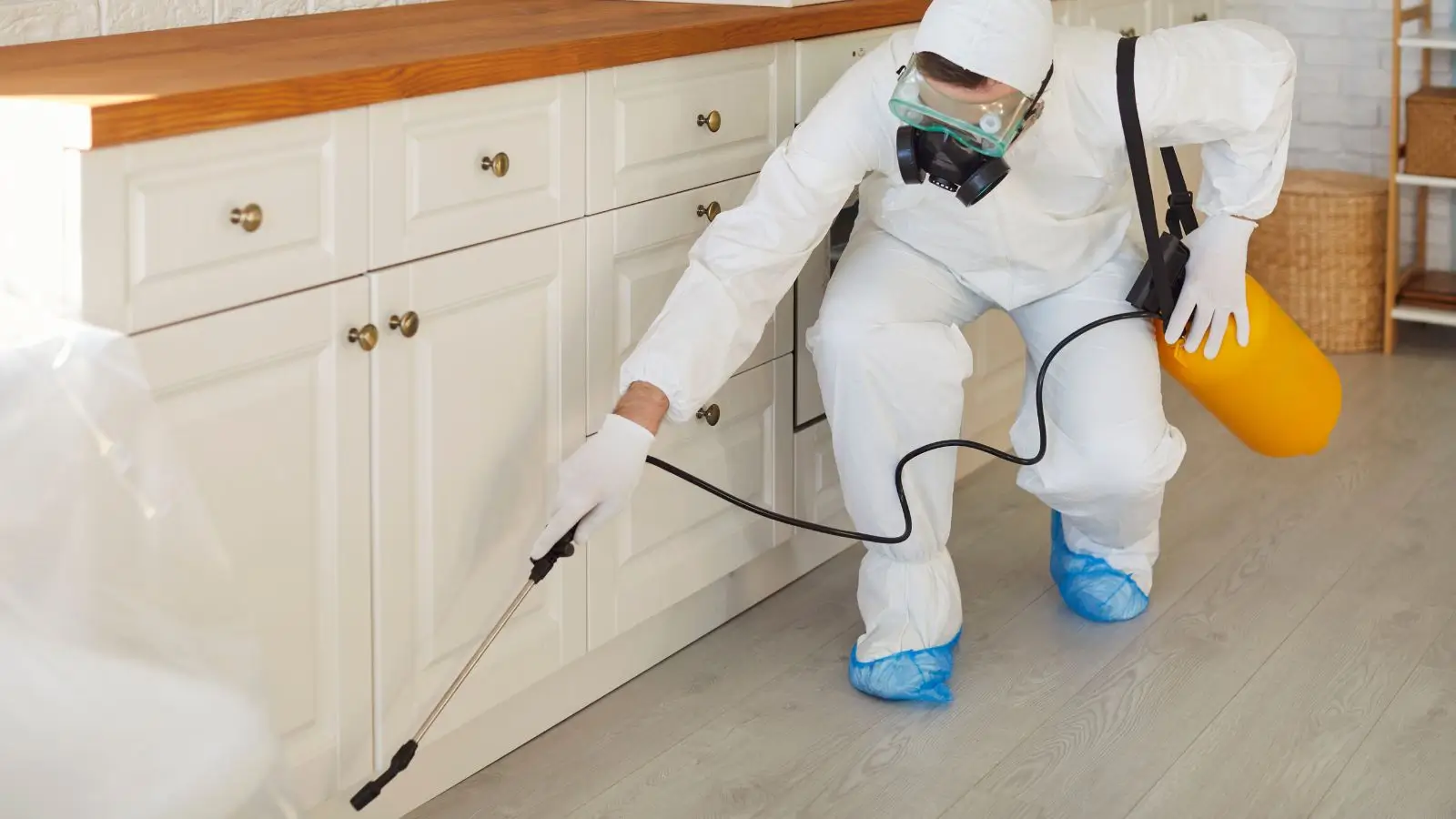
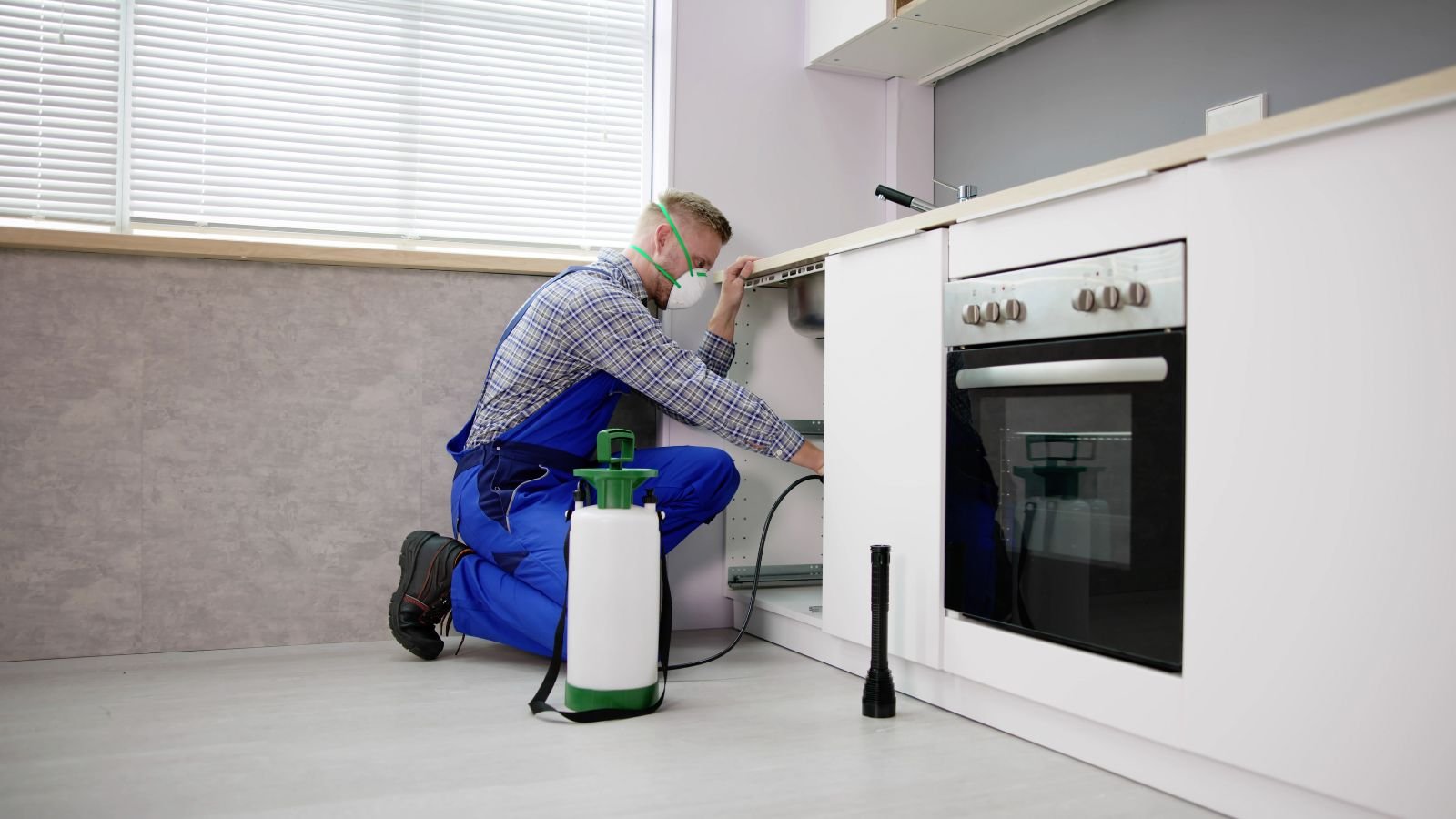
Most rodent problems in Melbourne don’t begin with panic. They begin quietly.
A faint scratching in the ceiling at night. A few small droppings along the garage wall. A cereal packet chewed through in the pantry. Nothing dramatic — just enough to make you wonder.
After years of handling infestations across Melbourne — from older weatherboard homes in the inner suburbs to newer estates in the west, hospitality venues in the CBD, and industrial warehouses — one pattern is consistent: rodents are rarely sudden intruders. They are gradual settlers.
At Recon Pest Control, the majority of Rodent Control Melbourne callouts are not emergency invasions. They are problems that have been building quietly for weeks. What homeowners notice is usually the final stage of a much earlier entry.
Real Rodent Control Melbourne isn’t about reacting to what you see. It’s about understanding why rodents selected the building in the first place — and removing that reason properly.
Why Rodents Move Into Melbourne Properties
Rodents do not enter buildings randomly. They move with purpose.
Every infestation begins when a structure provides:
- Shelter
- Stable internal temperature
- Reliable access to food or moisture
- Safe movement pathways
Melbourne’s built environment offers all four.
During winter, roof cavities retain heat far better than outdoor spaces. In summer, shaded subfloors and wall voids provide cooler refuge. Urban development and landscaping displace outdoor burrows, pushing rodents toward nearby structures. Even something as minor as a leaking outdoor tap creates consistent water access.
One of the biggest misconceptions we see during Rodent Control Melbourne inspections is the belief that poor hygiene is the primary cause. Cleanliness plays a role, but structural vulnerability is far more influential.
Small gaps around pipe penetrations. Loose roofing junctions. Garage doors that don’t fully seal. Brick weep holes large enough to allow access. None of these appear dramatic. But to a rat or mouse, they are entry points.
Recon Pest Control often finds that clients are surprised by how small the actual access route is.
The First Sign Is Rarely the Beginning
By the time scratching becomes audible, rodents have usually been present for some time.
Droppings along walls are not random placement — rodents follow edges for protection. Grease marks on skirting boards develop through repeated body contact. Chewed insulation or cardboard indicates nesting behaviour, not feeding.
If a rat is seen during daylight hours, it often suggests internal population pressure. Rodents avoid exposure unless forced by competition or overcrowding.
This is why early Rodent Control Melbourne intervention matters. What appears minor often isn’t.
Why Many Rodent Treatments Fail
Repeated baiting is one of the most common scenarios encountered.
The pattern usually looks like this: bait is placed, activity reduces, and the problem seems resolved. Weeks later, scratching returns.
The reason is simple. Poison reduces numbers. It does not eliminate entry.
If external access points remain open, new rodents replace those removed. To the property owner, it looks like reinfestation. In reality, it’s continuous access.
Trapping alone produces similar results. Traps confirm presence and reduce visible activity, but they do not change structural suitability.
Premature exclusion is another issue. Sealing visible holes before internal suppression is complete can trap rodents inside walls or ceilings. They respond by chewing alternative exits, sometimes through plaster or wiring.
Effective Rodent Control Melbourne depends heavily on sequence. When steps occur out of order, outcomes become inconsistent.
How Rodent Control Melbourne Works When Done Properly
Across residential and commercial sites, the successful pattern rarely changes.
First, the building must be assessed as a complete system. At Recon Pest Control, this means identifying primary and secondary access points, mapping movement routes, and locating nesting zones.
Without this stage, control efforts rely on assumption rather than evidence.
Second, internal populations must be reduced strategically. This may involve monitored baiting programs, structured trapping, or a combination depending on species and severity.
The objective is not random removal. It is controlled suppression to a level where structural exclusion can occur safely.
Only after internal pressure decreases should entry points be sealed. Done too early, exclusion creates new damage. Done correctly, it prevents recurrence.
Finally, environmental pressure must be addressed. Overgrown vegetation against walls, unsecured waste storage, pet food exposure, and cluttered subfloors sustain ongoing attraction.
This layered approach is what differentiates short-term treatment from durable Rodent Control Melbourne.
Residential Rodent Control Melbourne
Melbourne homes vary significantly in vulnerability.
Older properties may have subfloor gaps or deteriorating vents. Tiled roofs can allow subtle entry beneath ridge caps. Modern townhouses often share service penetrations between units.
Roof voids are common nesting areas because they are warm, dark, and undisturbed. Garages follow closely, especially when storage clutter accumulates.
In residential Rodent Control Melbourne, treating only the visible area rarely resolves the entire issue. A kitchen sighting often originates from a subfloor or wall cavity entry point.
Recon Pest Control typically conducts whole-structure inspections rather than localised treatment, because partial assessment leads to partial results.
Commercial Rodent Control Melbourne
Commercial environments introduce higher risk.
Hospitality venues face food safety compliance. Warehouses risk electrical damage and stock contamination. Office buildings can harbour ceiling infestations that go unnoticed for extended periods.
In commercial Rodent Control Melbourne, monitoring becomes essential. Documentation, scheduled inspections, and preventive exclusion measures are often more important than reactive treatment.
High-traffic environments also mask early signs. Operational noise can conceal scratching that would be obvious in a home.
For businesses, delay increases both cost and exposure.
How Different Rodent Control Methods Perform Over Time
Each method has a purpose.
Trapping provides confirmation and immediate reduction. It is labour-intensive and localised.
Poison reduces heavy infestations quickly but carries risks if exclusion does not follow.
Exclusion prevents entry but does not remove internal populations.
When Recon Pest Control designs a Rodent Control Melbourne strategy, these tools are sequenced rather than relied upon individually. That sequencing is what determines long-term stability.
Why Rodents Seem to Return
Rodents do not return randomly. They respond to opportunity.
If shelter, warmth, and access remain available, rodents will continue testing entry points. External populations exist independently of the building.
Many infestations appear resolved after suppression, but activity resumes weeks later because monitoring stopped too early.
Rodent problems persist when structural suitability persists.
The Damage Often Overlooked
Rodents chew continuously to manage tooth growth. Electrical wiring is frequently damaged. Insulation becomes nesting material. Contamination spreads through droppings and urine trails.
In homes, this damage can remain unnoticed until repairs are necessary. In commercial spaces, the consequences can be immediate.
Delayed Rodent Control Melbourne almost always increases long-term cost.
When Professional Rodent Control Melbourne Is Necessary
DIY methods may be sufficient in very early stages. But professional intervention becomes necessary when:
- Activity repeats after treatment
- Entry points are unclear
- Noise spreads across ceilings and walls
- Multiple areas show signs
- Compliance requirements apply
At this stage, structured intervention produces more reliable outcomes.
Recon Pest Control is often contacted after repeated short-term fixes fail. In most cases, identifying and correcting access routes changes the outcome entirely.
Rodent Control Melbourne Is About Suitability, Not Elimination
Infestations end when buildings become unsuitable.
Removing rodents without altering entry, shelter, and safety conditions leads to recurrence. Changing those conditions leads to stability.
When effective Rodent Control Melbourne is performed correctly, activity declines gradually. There may be short-term disruption as systems are corrected. Then signs reduce, monitoring confirms absence, and recurrence does not occur.
Rodent control is not about reacting to noise in a ceiling. It is about understanding why that ceiling became attractive — and ensuring it no longer is.
Common Questions About Rodent Control Melbourne
Because access points or environmental conditions were not fully corrected.
Indoor sightings increase in colder months, but infestations often begin earlier.
In most cases, yes. Rodents avoid exposure.
No. Poison reduces numbers but does not eliminate structural vulnerability.
Resolution depends on infestation size and building complexity. Staged intervention is common.
Yes, when exclusion and habitat modification are completed properly.