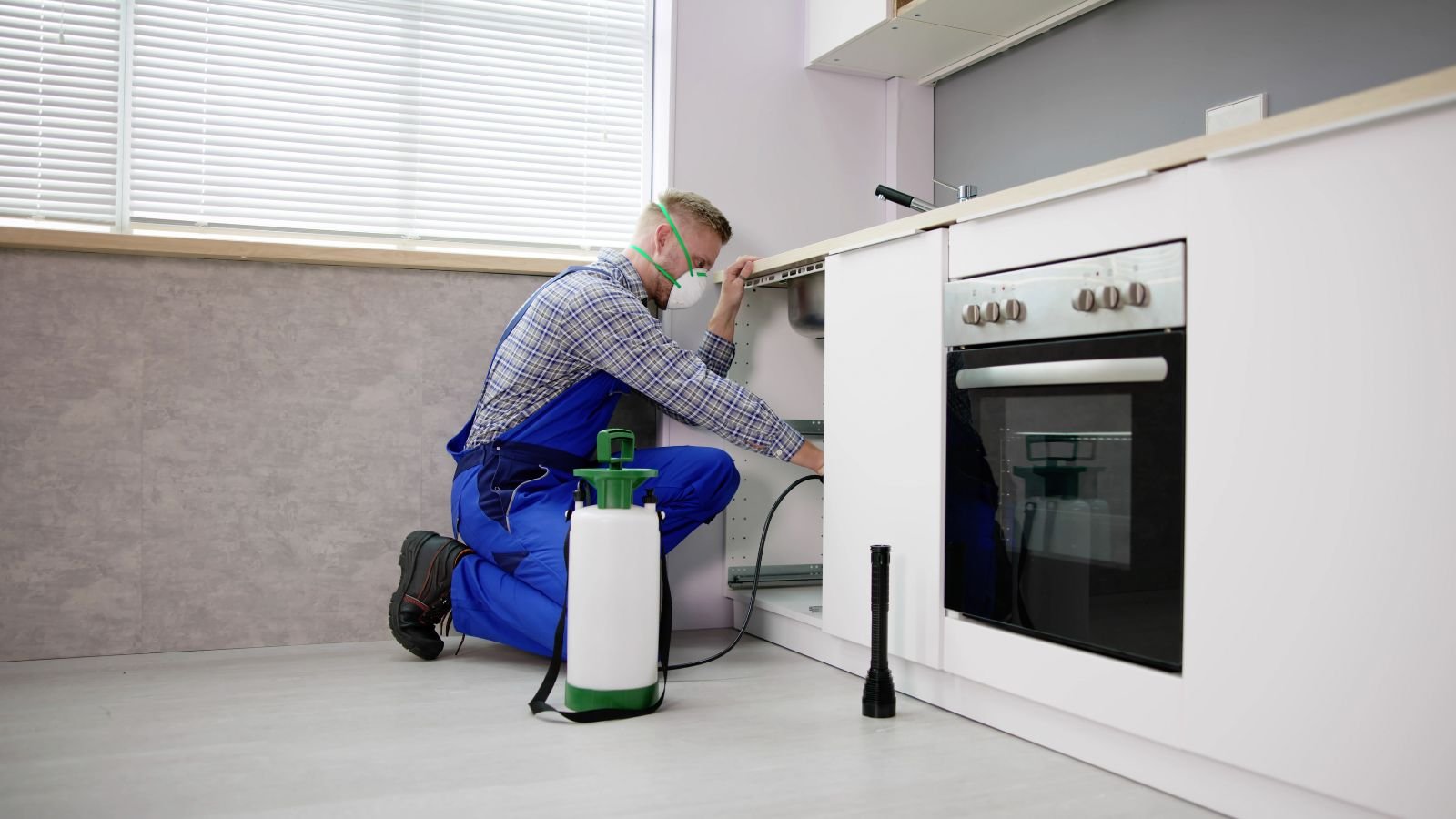
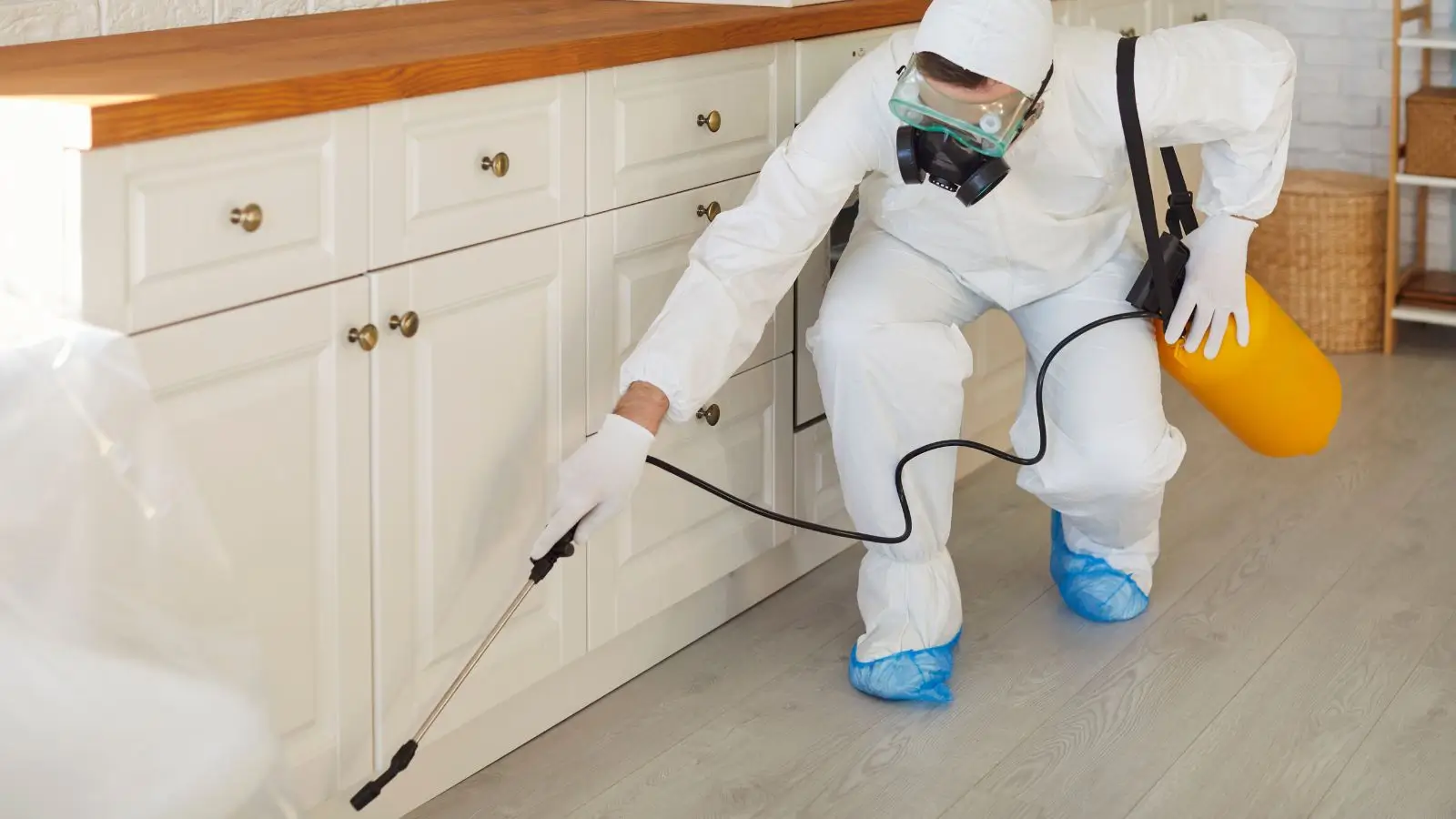
Insect problems in Melbourne rarely begin as emergencies.
They begin quietly.
A few ants near the sink. A cockroach seen once after dark. Silverfish in a bathroom drawer. Spiders building webs in the corner of a ceiling.
At Recon Pest Control, most Insect Control Melbourne callouts do not start with “We’re overrun.” They start with, “We’ve started noticing something.”
That difference matters.
Because what most people notice is not the beginning of the infestation — it’s the point where the conditions inside the building have already allowed insects to establish themselves.
Real Insect Control Melbourne is not about reacting to visible insects. It’s about understanding why they settled there in the first place.
Why Insects Thrive in Melbourne Properties
Melbourne’s climate creates ideal stability for many insect species.
Unlike regions with harsh winters that naturally reduce populations, Melbourne’s seasonal shifts influence insect behaviour but rarely eliminate them. Warm months accelerate breeding cycles. Cooler periods push insects indoors where temperature remains consistent.
Rainfall drives ground-dwelling insects toward dry structural spaces. Landscaping and development disturb outdoor nesting zones, forcing relocation.
Insect infestations begin when buildings provide three core conditions:
- Moisture
- Shelter
- Accessible food sources
Hygiene is part of the picture — but it is rarely the root cause.
During Insect Control Melbourne inspections, Recon Pest Control often finds that moisture sources are the primary driver. A small leak under a sink. Condensation near hot water systems. Poor ventilation in bathrooms. Garden beds touching external walls.
Insects follow stability, not dirt.
Why You See Insects Only After They’ve Settled
When insects are visible, it typically means one of two things:
- The population has expanded beyond its original nesting site.
- Environmental conditions have changed, pushing them into open areas.
Ant trails along a bench are rarely exploratory. They are established foraging routes. Cockroaches seen during the day usually indicate overcrowding in harbourage areas. Silverfish in wardrobes suggest long-term humidity.
By the time people search for Insect Control Melbourne, the visible insects represent only a small percentage of the total population.
This is why surface spraying rarely solves the problem.
Why Many Insect Treatments Fail
One of the most common issues encountered at Recon Pest Control is over-reliance on retail sprays.
Surface sprays kill exposed insects quickly. That gives the appearance of control. But breeding sites, eggs, and hidden harbourage remain unaffected.
Ant colonies can fragment when aggressively sprayed. Instead of eliminating the problem, it spreads it. Cockroach infestations behave similarly — killing visible adults while egg cases remain untouched.
Another frequent issue is treating without identification.
Melbourne has multiple ant species, cockroach species, and seasonal invaders. Each responds differently to treatment methods. Effective Insect Control Melbourne requires knowing which species is present before deciding how to treat it.
When treatment is applied without diagnosis, recurrence becomes likely.
Moisture: The Overlooked Driver of Insect Activity
In nearly every significant insect infestation, moisture plays a role.
Silverfish require humidity. German cockroaches cluster near warmth and condensation. Ant colonies establish near irrigation lines or beneath pavers that trap moisture.
Even well-maintained homes can develop micro-environments favourable to insects. Poor airflow in roof cavities. Blocked subfloor vents. Overwatered gardens against external walls.
When moisture remains uncorrected, chemical treatment becomes maintenance rather than resolution.
Insect Control Melbourne becomes stable only when environmental drivers are corrected alongside treatment.
Structural Pathways — How Insects Spread
Insects rarely stay confined to one room.
Wall cavities, ceiling voids, expansion joints, and subfloors create movement corridors. In apartment complexes, service penetrations allow migration between units.
In commercial kitchens, warmth and food access create concentrated harbourage that expands outward over time.
Recon Pest Control regularly identifies infestations that appear localised but originate from structural voids far from the visible area.
Effective Insect Control Melbourne requires understanding how insects move through buildings, not just where they are seen.
What Works in Insect Control Melbourne
After years of handling infestations across Melbourne homes and businesses, the process that consistently produces durable results involves four layers.
Correct Identification
The first step is determining species. Without this, treatment remains speculative.
Targeting the Source
Surface treatment is secondary. Colony disruption or breeding site elimination is primary.
Environmental Adjustment
Moisture correction, improved ventilation, removal of harbourage zones, and structural sealing (after source elimination) are essential.
Monitoring
Infestations often appear resolved before full elimination occurs. Monitoring confirms stability rather than assumption.
When Recon Pest Control approaches Insect Control Melbourne projects, this layered method is what differentiates temporary relief from long-term control.
Residential Insect Control Melbourne
Melbourne homes vary significantly in vulnerability.
Older timber-framed properties often contain subfloor voids attractive to ants and spiders. Modern homes with tight insulation can trap humidity, encouraging cockroach activity. Gardens positioned against external walls create insect bridges into living spaces.
In residential settings, the most common insect issues include:
- Ant colonies in kitchens and bathrooms
- German cockroaches near appliances
- Spiders establishing in ceiling corners
- Silverfish in wardrobes and cupboards
- Wasps nesting under eaves
Treating a visible area without investigating surrounding structural zones often results in recurrence.
Insect Control Melbourne at the residential level is rarely about treating one room. It is about understanding how the structure supports insect survival.
Commercial Insect Control Melbourne
Commercial properties operate under different pressures.
Hospitality venues generate heat, moisture, and waste continuously. Warehouses provide undisturbed harbourage. Offices may overlook early signs due to low visibility.
In commercial Insect Control Melbourne, reactive treatment is rarely sufficient. Preventive scheduling and structured monitoring reduce risk more effectively than emergency responses.
Recon Pest Control frequently works with businesses that previously relied on ad-hoc treatment. Structured monitoring changes outcomes because it identifies patterns before they escalate.
Why Insects Reappear After Treatment
Insects do not return because treatment “wore off.” They return because environmental suitability remains.
If moisture persists, if harbourage remains undisturbed, if structural access is not addressed, recolonisation becomes likely.
Insect Control Melbourne fails when it focuses only on elimination and ignores prevention.
The difference between temporary reduction and durable control is environmental change.
Risks of Ignoring Insect Activity
Insect infestations carry more than inconvenience.
Cockroaches contaminate surfaces and trigger allergies. Ants compromise food storage. Wasps pose safety risks. Flies increase hygiene concerns in commercial environments.
Small infestations rarely remain small.
Delayed Insect Control Melbourne often leads to broader spread, greater structural involvement, and more complex treatment requirements.
When Professional Insect Control Melbourne Becomes Necessary
DIY measures may help with isolated sightings. Professional intervention becomes necessary when:
- Activity spreads to multiple rooms
- Daytime sightings increase
- Repeated spraying fails
- Structural nesting is suspected
- Commercial compliance is required
Recon Pest Control is frequently contacted after repeated retail treatments fail. In most cases, identifying the underlying cause is what changes the outcome.
Insect Control Melbourne Is About Conditions, Not Chemicals
The most important principle in insect management is simple: insects survive where conditions allow them to.
Chemical treatment without environmental correction leads to recurrence. Identification, source targeting, moisture management, and structural awareness determine long-term success.
When effective Insect Control Melbourne is performed properly, activity declines steadily rather than suddenly. Visible insects reduce. Monitoring confirms stability. Reappearance becomes unlikely.
Insects do not persist because they are unstoppable. They persist because buildings remain suitable.
When suitability changes, infestations end.
Common Questions About Insect Control Melbourne
Because spraying often kills visible insects but does not eliminate breeding sites.
Breeding accelerates in warmer months, but many infestations begin earlier.
Cleanliness helps but does not remove moisture or structural access.
Results depend on species and infestation size. Colony-based insects require staged reduction.
Yes, when structural vulnerabilities and environmental factors are corrected alongside treatment.